
Δημοσίευση Μακριά από το Σχόλιο Κουλοχέρη Ra 2026 Κίνητρα, Τζάκποτ & Πολλά άλλα
septiembre 1, 2026Επιχειρήσεις τυχερών παιχνιδιών με κατάθεση $step one 2026 Καλύτερες επιχειρήσεις τυχερών παιχνιδιών με ελάχιστη κατάθεση $step one
septiembre 1, 2026
The Allure of the Casino Environment
The casino environment is meticulously designed to engage and stimulate the senses of its visitors. From the bright lights and vibrant colors to the rich sounds of spinning wheels and ringing coins, every element plays a crucial role in attracting potential gamblers. This sensory overload is intentional, as it enhances the excitement and provides an immersive experience, especially for those who enjoy an online casino nz atmosphere. The design is often aimed at inducing a euphoric state, where time and money seem to lose their significance, compelling individuals to play longer than they initially intended.
Moreover, the layout of a casino is strategically planned to encourage exploration. Games are placed in a way that leads players on a journey through the space, effectively encouraging them to pass by numerous opportunities to gamble. This design can evoke a sense of adventure and curiosity, prompting players to try out games they may not have initially considered. By creating an atmosphere that feels both inviting and thrilling, casinos tap into the psychology of risk and reward, enticing individuals to take chances.
The validation of social interactions within a casino setting further amplifies its appeal. The communal aspect of gambling—whether through shared experiences at a table or the encouragement of fellow players—can produce a feeling of belonging. This social connection can lead to a heightened sense of excitement and enjoyment, making the gambling experience even more compelling. Thus, the environment itself plays a pivotal role in shaping the psychological motivations behind why people are drawn to gambling in casinos.
The Role of Risk and Reward
Understanding the psychology of gambling includes recognizing the fundamental human attraction to risk and reward. The thrill of placing a bet and the potential for winning creates an exhilarating rush that many individuals find irresistible. This dynamic is rooted in behavioral psychology, where risk-taking behaviors can lead to dopamine releases in the brain, creating feelings of pleasure and excitement. This response can be a significant factor in why people choose to gamble, as the prospect of winning can outweigh the potential losses in their minds.
Furthermore, the perception of near-misses can amplify the excitement associated with gambling. Many players experience a heightened sense of anticipation when they are close to winning, as the brain registers these near-misses as potential victories. This psychological phenomenon often leads to continued play, as gamblers believe they are on the verge of a win. As a result, they may disregard the financial losses in pursuit of the next win, continually fueled by the hope of success.

However, it’s essential to acknowledge that the allure of risk can become problematic. Some individuals may develop gambling habits or addictions that significantly impact their lives. The thrill associated with risk can lead to negative behaviors, especially when the balance between fun and responsibility shifts. Understanding the psychology of gambling is crucial not only for responsible play but also for recognizing when assistance may be needed to address problematic behaviors.
Cognitive Biases in Gambling
Cognitive biases play a significant role in how individuals perceive their gambling experiences. One of the most common biases is the illusion of control, where gamblers believe they can influence the outcome of a game through their actions or decisions. This misconception can lead to overconfidence and increased gambling activity, as players feel they have a better chance of winning than they actually do. By managing their emotions and expectations, gamblers might find themselves rationalizing losses, further entrenching their belief in their control over luck.
Another prevalent cognitive bias is the gambler’s fallacy, which occurs when players believe that past events influence future outcomes. For instance, a player may think that a slot machine is «due» for a win after a series of losses, despite each spin being an independent event. This fallacy can lead to chasing losses, where gamblers keep playing in hopes of recouping what they’ve lost, often leading to greater losses. Understanding these biases is essential for both players and operators in creating a safer gambling environment.
The tendency to remember wins more vividly than losses also contributes to continued gambling. Players often recall the thrill of their wins, which can overshadow the reality of their overall losses. This selective memory can reinforce a gambler’s belief that winning is more common than it actually is, perpetuating a cycle of gambling that may result in negative financial and emotional impacts. Addressing these cognitive biases is critical for encouraging responsible gambling practices and improving awareness about the potential risks associated with gambling behavior.
Psychological Triggers and Marketing Tactics
Casinos employ a plethora of psychological triggers and marketing tactics to enhance the gambling experience and encourage more play. The use of rewards programs and promotional offers is a prime example, as these incentives can create a sense of loyalty and anticipation among gamblers. By providing bonuses or free play opportunities, casinos capitalize on the psychology of scarcity and urgency, leading players to feel they must take advantage of these offers before they expire.
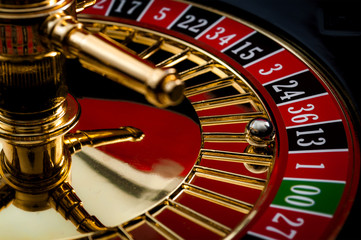
Additionally, the strategic use of music and sound effects in casinos amplifies the emotional experience associated with gambling. Upbeat tunes and celebratory sounds can enhance feelings of excitement and success, while softer music might encourage relaxation and longer play. This ambient manipulation can make players more likely to stay and engage in gaming activities for extended periods. The psychological implications of this carefully curated environment cannot be overlooked, as they harness emotional responses to drive gambling behavior.
Social media and digital marketing techniques have also become instrumental in attracting and retaining casino patrons. By utilizing targeted ads and personalized messaging, casinos can tap into the psychological triggers of prospective players, creating a sense of connection and relevance. This personalization can make individuals feel valued and understood, further motivating them to engage with the casino experience. Overall, the interplay of these psychological triggers and marketing strategies profoundly influences gambling behavior.
Learn More About Gambling Psychology at Our Website
For those interested in delving deeper into the psychology behind gambling, our website offers a wealth of information and resources. We explore various aspects of gambling behavior, from the cognitive biases that impact decision-making to the social dynamics within casino environments. Understanding these elements can equip individuals with the knowledge needed to engage in responsible gambling practices and make informed decisions.
In addition to insights on psychology, our website provides tools and support for those who may be struggling with gambling-related issues. We believe in promoting an informed and healthy approach to gambling, fostering an environment where players can enjoy the experience without compromising their well-being. By bridging the gap between entertainment and responsibility, we aim to enhance the overall gambling experience.
Join us on our platform to discover more about the fascinating interplay of psychology and gambling. Whether you’re a curious explorer or an experienced player, our comprehensive resources will enhance your understanding and appreciation of this complex world. Embrace the journey of awareness and knowledge as you navigate the exciting realm of gambling in a holistic and responsible manner.